How Bridebook discovered their campaigns were performing 41% better than the reports showed
SKAN was so broken it was making working campaigns look like failures, and nobody could tell without a full account audit.
Bridebook was running a $100K+/month paid acquisition program, and asked for a full account audit.
Holly Wright, Performance Marketing Manager at Bridebook, came to us with a straightforward request: audit the account. Nothing had triggered an alarm. No single metric had crashed, no obvious outage. But with paid spend across channels running well over $100K a month, she wanted a second set of eyes on the full measurement stack before scaling further.
What the audit found wasn't one bug. It was a stack where nearly every layer, SKAN, consent tracking, revenue mapping, funnel visibility, was quietly producing numbers that looked coherent enough to never get questioned.
Find out what was actually happening underneath a measurement stack that looked fine on the surface, before scaling spend any further.
Five gaps. Each one distorting the picture in a different direction.
Nothing here threw an error. Every dashboard rendered a number. The numbers just weren't telling the truth.
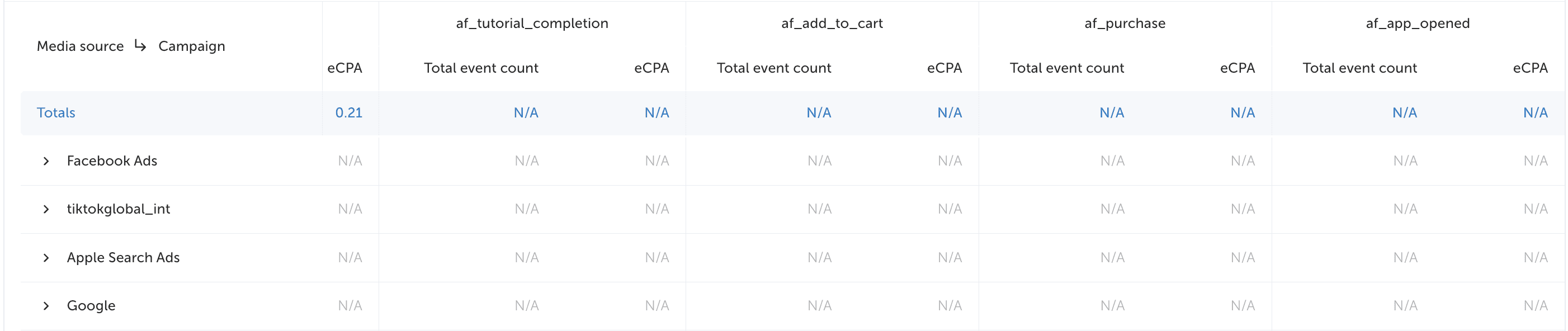
SKAN wasn't misconfigured in a minor way. It wasn't functioning at all. Every key iOS conversion event showed no data, across every ad channel, campaign after campaign.
The dashboard showed 100% of iOS users accepting tracking consent. Far above any realistic benchmark. The actual cause: the SDK was only initializing after a user consented, so anyone who declined was never counted in the first place.
Three attribution types were switched off across every platform, in a category where users reinstall and re-engage constantly around wedding planning timelines.
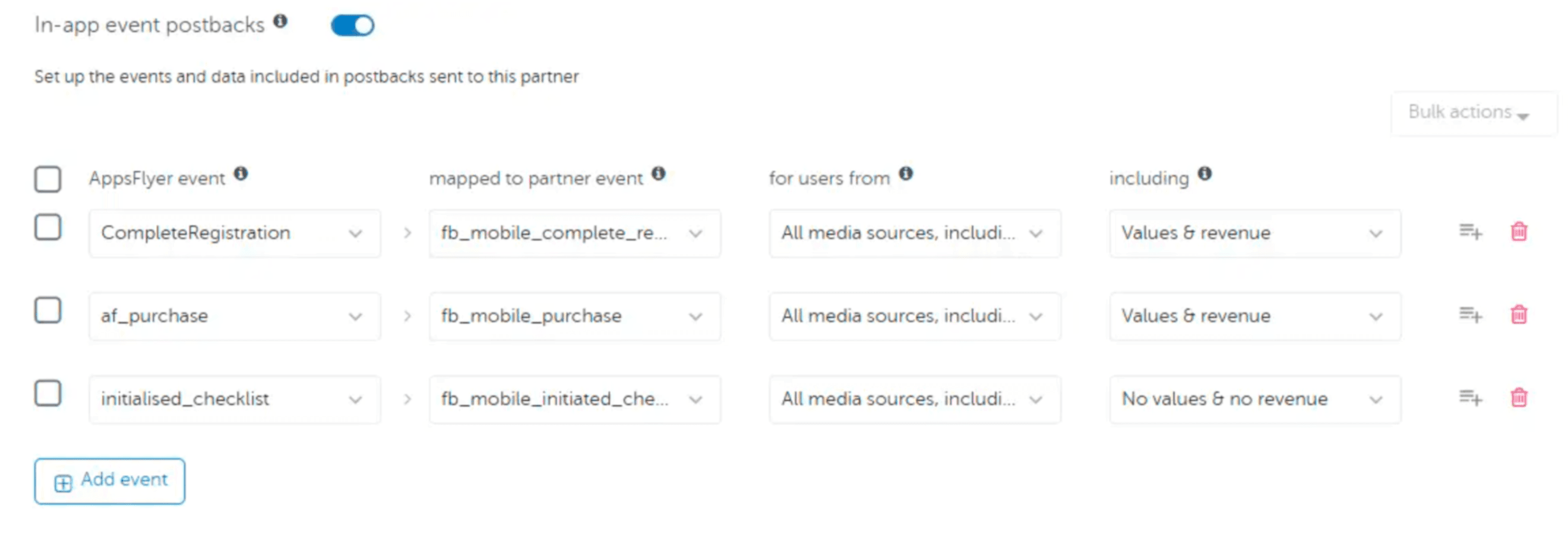
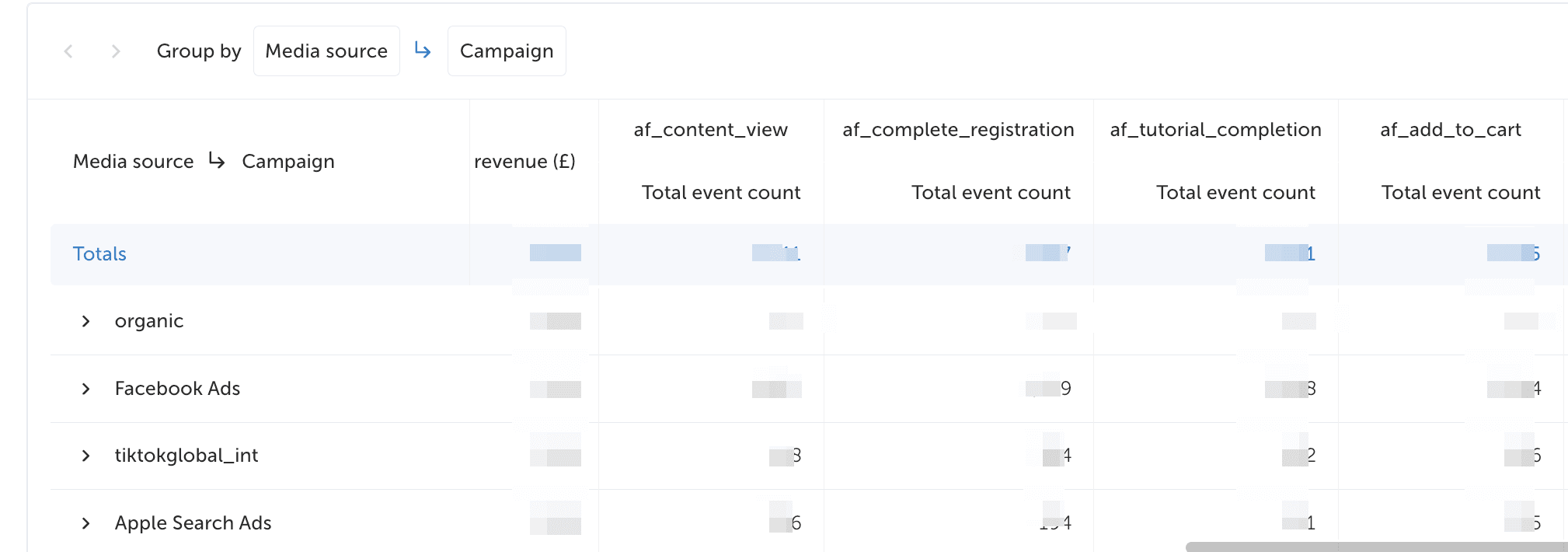
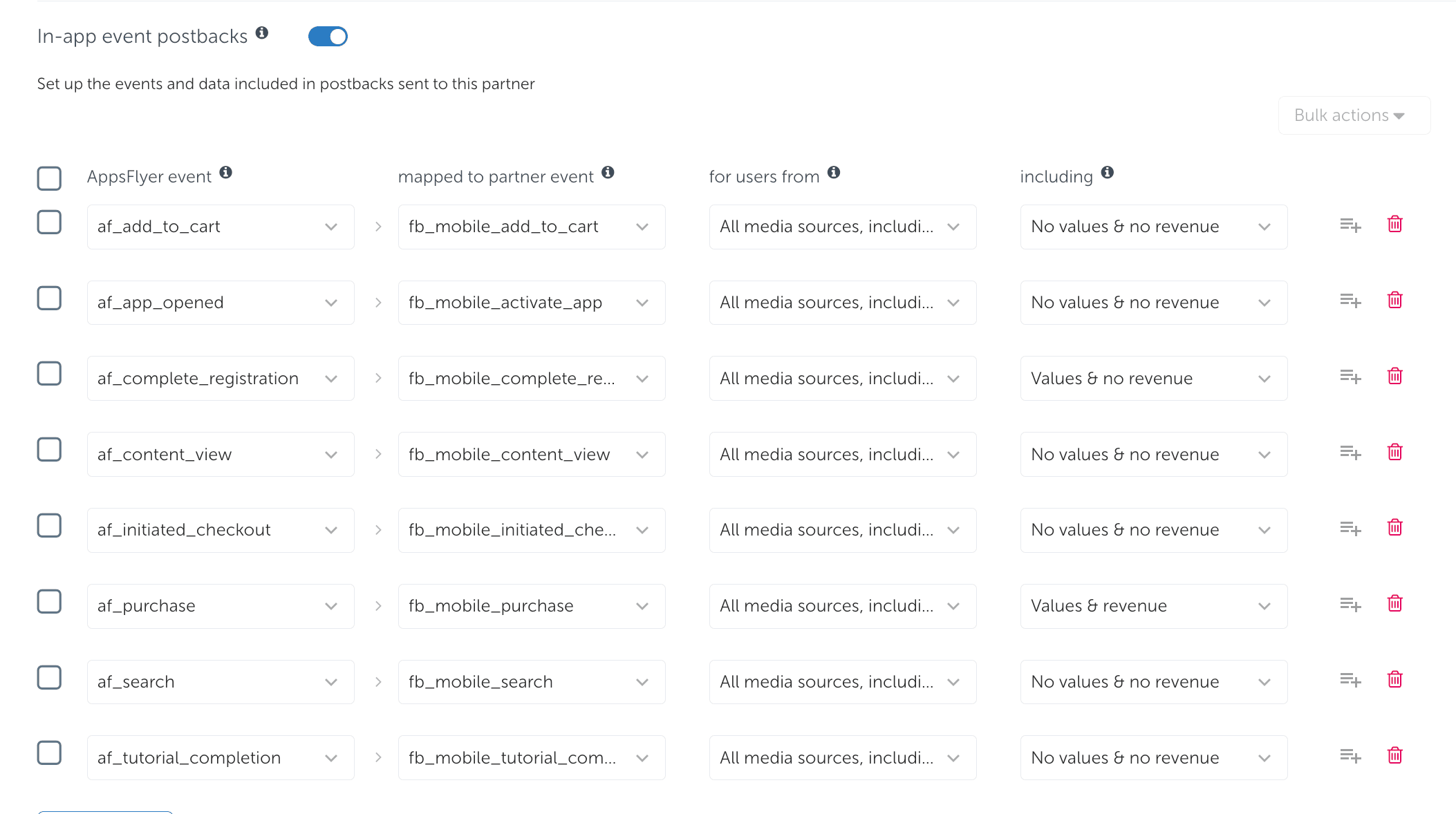
Revenue wasn't flowing back to any ad channel, and several other events that mattered to the business weren't mapped to partners at all.
Early funnel events were tracked, but the deep-funnel signals, the ones that actually correlate with high LTV and long-term retention, never made it to any ad platform's optimization engine.
What changed, once the real numbers surfaced.
Every figure below reflects the same spend, the same campaigns, and the same period. Measured correctly instead of incorrectly.
Bridebook wasn't running bad campaigns. Bridebook was running campaigns that a broken measurement stack was making look worse than they actually were. On a $100K+/month program, that's not a rounding error that's a decision risk.
Muffaddal is one of the most knowledgeable people I have worked with in marketing tracking and attribution. He took the time to walk me through SKAN configuration in a way that was genuinely clear and useful. Exactly the kind of expertise that's rare to find. I'll absolutely be working with him again.

Bridebook
How a consumer app fixed a broken revenue signal before a single ad campaign ever used it
How Africhange stopped paid installs from defaulting to organic, and grew paid attribution share 19x
How HappyShyPeople turned untracked paid web traffic into a fully attributed web-to-app funnel
The most expensive attribution problems are the ones that never throw an error.
No commitment. Just a full read on whether your measurement stack is telling you the truth. Because the numbers that look fine are usually the ones worth checking first.