
How a consumer app fixed a broken revenue signal before a single ad campaign ever used it
Seven different events all reported revenue, and the SKAN buckets were too wide to tell purchases apart. Both fixed before the first campaign launched.
Seven different events were all reporting revenue. Almost none of it could be trusted.
This consumer app had AppsFlyer and SKAN already in place, and was preparing to launch its first paid campaign on a Meta ads. Before that campaign went live, the team wanted the revenue signal checked. Not because anything looked broken, but because nobody had verified it end to end.
The review found two separate problems, both invisible from the dashboard, both quietly distorting what the Meta campaigns would have seen from day one.
Make sure the revenue signal reaching the ad platform was accurate and differentiated, before the first dollar of paid spend went out.
Two ways a revenue signal can lie, both happening at once.
Neither of these would show up as an error. Both would just quietly feed the ad platform the wrong picture.
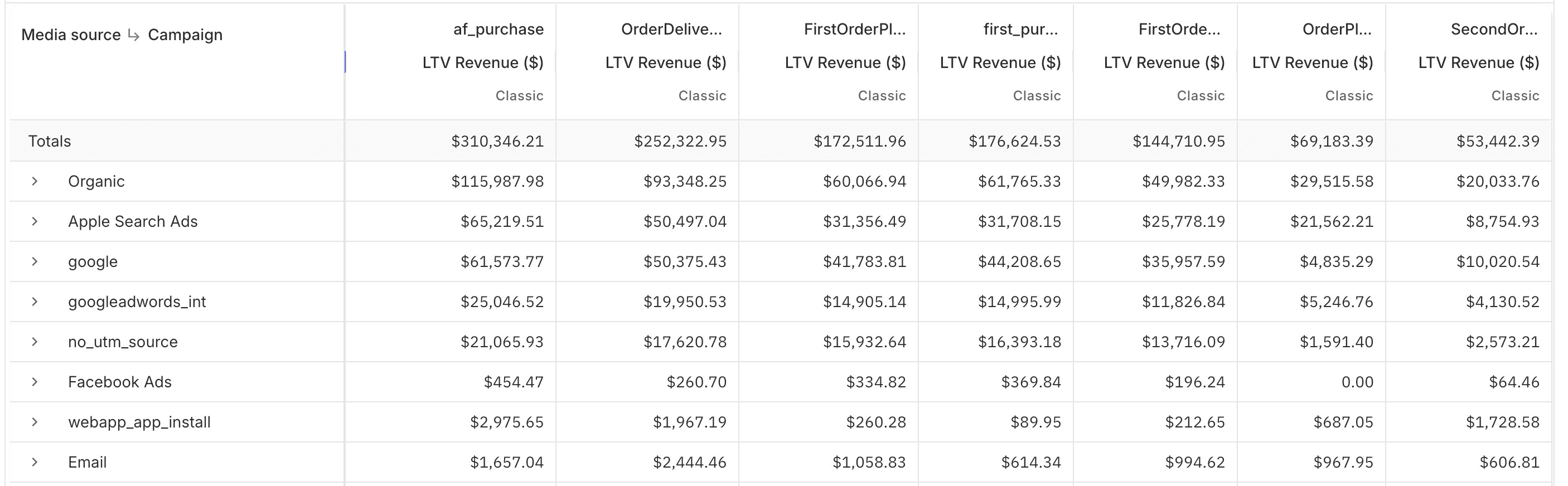
A code review found seven distinct events all independently flagging revenue back to the Appsflyer. When several of them fired on the same transaction, that one sale could be counted multiple times over.
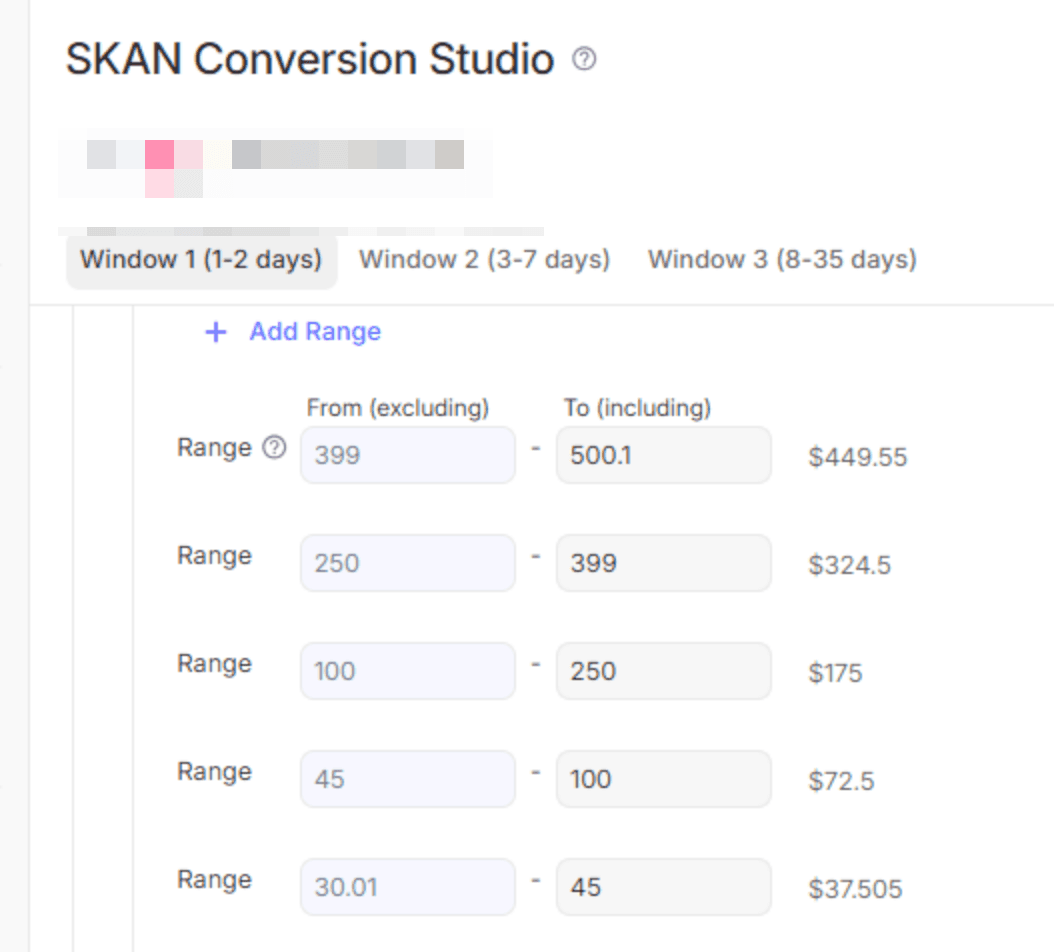
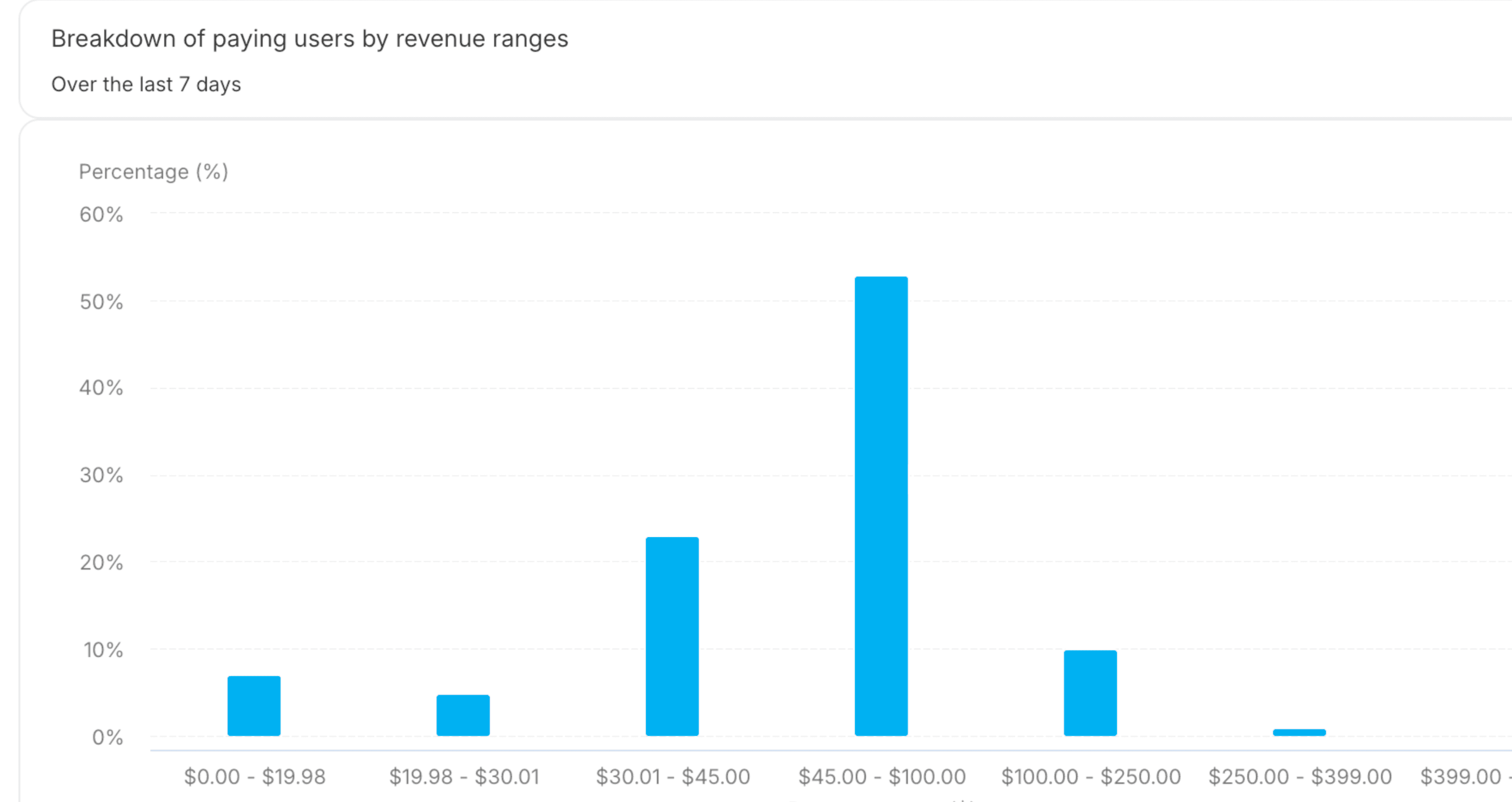
The SKAN conversion value ranges were set wide enough that the large majority of real purchases landed in a single bucket. SKAN's entire value to an ad platform's optimization depends on telling a high-value purchase apart from a low-value one. If most transactions report the same value, there's nothing left for the algorithm to learn from.
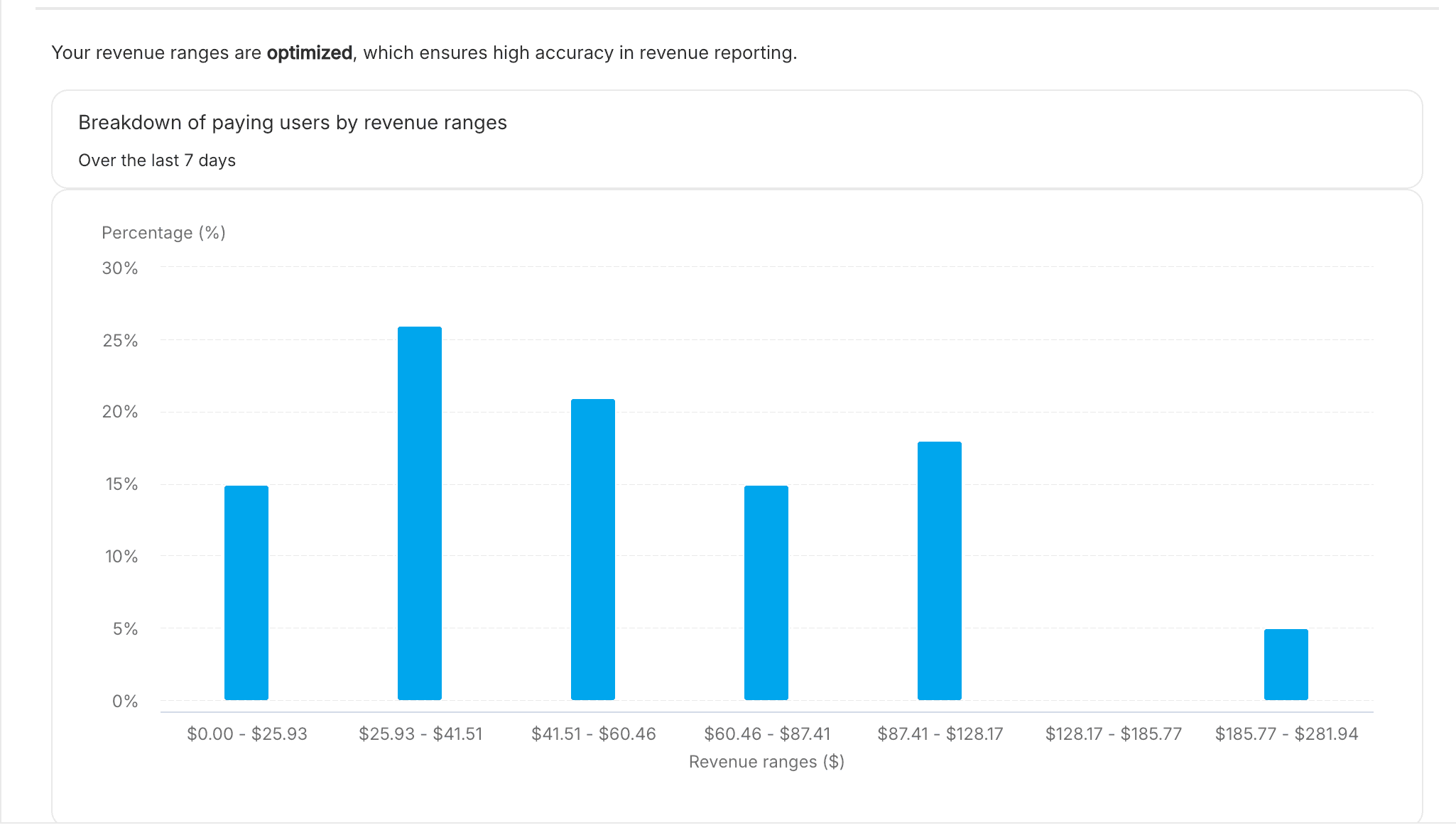
What was true before a single ad ever ran.
No campaign had launched yet, so this isn't a performance story. It's a readiness one: the signal was fixed before anything depended on it being right.
The campaign hadn't launched yet, which meant there was still time to fix this before it mattered. A revenue signal that overcounts and under-differentiates doesn't just report badly, it teaches the ad platform's algorithm the wrong lesson from the very first dollar spent.
How Bridebook discovered their campaigns were performing 41% better than the reports showed
How Africhange stopped paid installs from defaulting to organic, and grew paid attribution share 19x
How HappyShyPeople turned untracked paid web traffic into a fully attributed web-to-app funnel
If your revenue signal has never been checked before the first campaign goes live, this is exactly the moment to check it.
No commitment. Just a clear read on whether what you're about to feed an ad platform is actually true. Because the signal you feed an ad platform on day one is the one it optimizes against for months.